
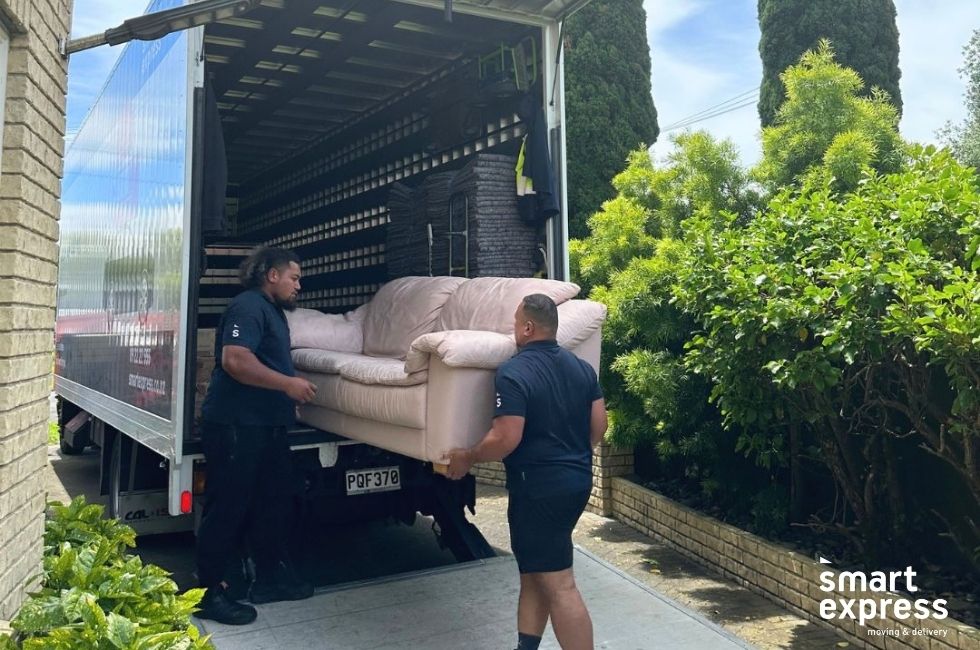
Moving a 3-bedroom home can involve a lot more than bedrooms of furniture. There may also be lounge and dining furniture, whiteware, garage contents, outdoor furniture, BBQs, bikes, tools, pot plants and dozens of boxes to move.
One of the most common questions we hear is: what size moving truck do I need for a 3-bedroom house?
The answer depends less on the number of bedrooms and more on the actual volume of belongings, property access and the type of move.
Getting these details right before moving day can help your movers select the appropriate truck and team, use the available space efficiently and reduce the risk of additional trips, delays and avoidable costs.
There isn’t one truck size that suits every 3-bedroom home. A three-bedroom townhouse with minimal furniture can have considerably less to move than a three-bedroom family home with a double garage, outdoor furniture and years of accumulated belongings.
When planning a move, some of the things we consider include:
Providing an accurate inventory and photos where useful can help your moving company recommend the most suitable vehicle and team.
Bedroom count provides a useful starting point, but cubic volume gives a much better indication of how much truck space may be required.
Think beyond what’s visible inside the house. Kiwi homes often have belongings stored in garages, sheds, under the house or around outdoor living areas. Bikes, tools, shelving, camping gear, BBQs, outdoor tables, large planters and storage boxes can quickly increase the size of a move.
Before requesting your quote, walk through the entire property and check:
The more accurate the information provided before the move, the easier it is to plan the right solution.
Choosing an appropriate moving vehicle isn’t simply about finding the biggest truck available. The aim is to match the truck, moving team and equipment to the job.
A vehicle that’s too small may mean additional trips. But truck size is only one consideration. Access, stairs, walking distance, parking, the quantity of belongings and whether furniture requires disassembly can all affect how long a move takes.
Good planning helps reduce wasted time and makes the overall cost of the move more predictable.
Access is one of the most commonly overlooked parts of planning a house move.
A three-bedroom home with easy, level access and parking directly outside can be very different from moving the same amount of furniture from a property with a steep driveway or a long walk to the truck.
Before moving day, consider:
Letting your movers know about these conditions beforehand allows the right equipment, team and vehicle to be planned.
Efficient truck loading isn’t simply about squeezing as much as possible into the vehicle.
An experienced moving team considers the size, shape and weight of furniture, how items need to be protected, how the load can be safely secured and the order in which belongings need to be unloaded.
There are also several things you can do before the truck arrives. Where practical, dismantling bed frames, tables and other large furniture can reduce wasted space and make items easier to safely move through doorways and stairwells.
Keep screws, bolts and fittings together and clearly label which furniture they belong to.
Consistent box sizes are easier to handle and stack than an assortment of weak or partially filled cartons.
As a general rule:
Good packing helps protect your belongings while allowing the truck to be loaded more efficiently. Buy quality packaging materials.
Why pay to move something you no longer want? A house move is an ideal opportunity to sort through belongings and decide what should be kept, sold, donated, recycled or disposed of.
Reducing the volume before moving day can mean fewer boxes, less handling and more efficient use of the moving truck.
Some factors affecting moving costs aren’t immediately obvious.
These can include:
Providing accurate information beforehand is one of the easiest ways to help your moving company plan properly.
Moving a 3-bedroom house across Auckland, Hamilton, Tauranga, Wellington or Christchurch requires different planning from relocating between cities.
For an intercity move, efficient loading becomes even more important because returning for an item left behind may not be practical.
It is worth preparing a detailed inventory and identifying special or heavy items before the move so the appropriate vehicle, equipment and team can be organised.
Packing yourself can reduce the amount of professional packing time required, provided you have enough time and use suitable packing materials.
However, if you are short on time a professional pack-and-move service can handle all the preparation.
Smart Express offers moving boxes and packing materials as well as packing, moving and unpacking services, allowing you to choose the level of assistance that suits your move.
Before moving day:
The right moving solution isn’t determined by bedroom count alone. Understanding how much you have to move, access at both properties, the distance involved and any special items allows the right truck, team and equipment to be planned before moving day.
Smart Express Moving & Delivery has been helping Kiwis move since 2005, from local residential moves to intercity relocations and complete pack-and-move services.
With experienced moving teams and a range of vehicle sizes, we can help plan a moving solution around your home and requirements.
Get an online quote from Smart Express and tell us about your home, belongings and access so we can help recommend the right moving solution.
Smart Express Moving & Delivery: When Service Really Counts.

Sign up to our Newsletter and Get in touch today